
As an Amazon Associate I earn from qualifying purchases.
Do your eyes often feel dry and uncomfortable? You’re not alone.
Many people experience dry eyes, and finding relief is a top priority. Eye drops can be a helpful solution, but the question arises: How often should you use them to keep your eyes feeling fresh and hydrated? You don’t want to overdo it and risk irritation, but you also want to maintain comfort throughout the day.
This article will guide you through the ideal frequency for using eye drops, ensuring you get the soothing relief you need without any hassle. Stick around to discover the perfect balance for your eyes and unlock the secrets to lasting comfort.
Causes Of Dry Eyes
Dry eyes can be a frustrating condition. They cause discomfort, irritation, and blurred vision. Understanding the causes can help manage symptoms better. Various factors contribute to this common issue.
Environmental Factors
The air around us plays a big role in eye health. Windy weather can lead to dryness. Cold air can also affect moisture levels. Indoor heating systems dry out the air. Air conditioning can have the same effect. Pollution is another concern. It irritates the eyes and reduces moisture.
Medical Conditions
Some health issues can cause dry eyes. Autoimmune diseases often affect tear production. Conditions like diabetes can change eye moisture levels. Hormonal changes also impact tear production. Thyroid disorders may contribute to dryness. Allergies can cause irritation and dryness. Medications for these conditions might worsen symptoms.
Lifestyle Influences
Daily habits impact eye moisture. Screen time is a major factor. Staring at screens reduces blinking. Less blinking means drier eyes. Smoking affects tear production. Alcohol consumption can also lead to dryness. Not drinking enough water affects overall hydration. Stress can change hormone levels, impacting tear production.
Types Of Eye Drops
Dealing with dry eyes can be frustrating. The right eye drops can help. But which type is best for you? Understanding the different types can make a big difference. Let’s explore the main categories of eye drops.
Artificial Tears
Artificial tears are the most common choice for dry eyes. They help add moisture to your eyes. These drops mimic natural tears. They are available over the counter. You can use them multiple times a day. They come in preservative-free versions too. These are gentler on sensitive eyes. Choose them for frequent use. They are a quick and easy solution.
Prescription Drops
Prescription drops are stronger than artificial tears. They help reduce inflammation. They also increase tear production. You need a doctor’s prescription for them. Some popular options include Restasis and Xiidra. They work differently from each other. Your doctor will decide which suits you best. Follow the prescribed dosage for best results.
Ointments And Gels
Ointments and gels offer longer-lasting relief. They are thicker than regular drops. Apply them before bed for overnight comfort. They can blur vision temporarily. Use them when you don’t need clear vision. These are ideal for severe dryness. A small amount goes a long way. They keep eyes moist for hours.
Frequency Of Eye Drop Usage
Dry eyes can be a persistent nuisance, affecting daily life. Eye drops offer relief, but knowing how often to use them is vital. Overusing eye drops can lead to dependency, while underusing may not provide needed relief. Understanding the right frequency helps balance comfort and eye health.
Mild Dry Eye Cases
For mild dry eyes, use drops sparingly. Typically, using them once or twice daily suffices. This keeps eyes moist without overwhelming them. Evaluate your symptoms to adjust the frequency as needed. If eyes feel comfortable with less, reduce usage accordingly.
Moderate To Severe Conditions
Severe dry eyes demand more attention. These cases often require drops three to four times daily. Consistent application helps maintain moisture and comfort. Monitor symptom changes to decide if more frequent use is necessary. Proper hydration can also complement eye drop usage.
Consulting With An Eye Specialist
Professional advice is invaluable for dry eye management. An eye specialist provides personalized guidance based on your condition. They assess your symptoms and suggest a tailored drop schedule. Regular consultations ensure your eyes receive optimal care. Trust their expertise to manage your dry eye effectively.
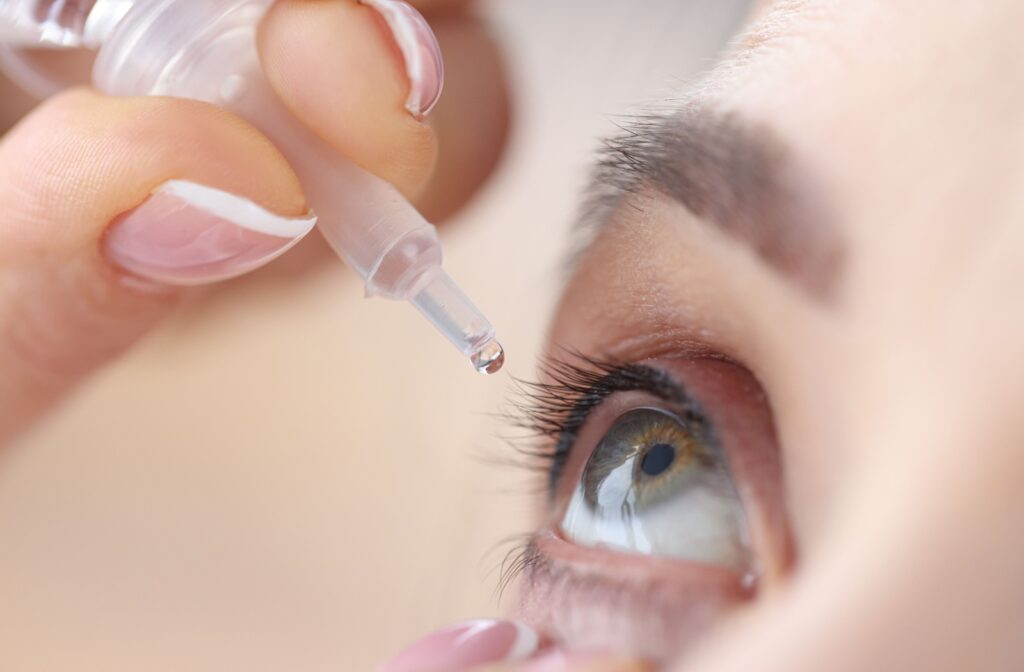
Credit: focuswestoptometry.ca
Potential Risks Of Overuse
Frequent use of eye drops can lead to dependency and reduced natural tear production. Overuse might cause irritation and discomfort. It’s important to follow recommended usage guidelines to avoid these potential risks.
Dry eyes can be an annoying and uncomfortable problem. Eye drops often provide relief, but using them too much can have its own set of issues. Understanding the potential risks of overusing eye drops is crucial for maintaining eye health and comfort.
Rebound Dryness
You might think more drops mean more relief, but that’s not always the case. Overusing eye drops can lead to a cycle known as rebound dryness. When your eyes become accustomed to constant moisture from drops, they might produce even less natural lubrication, leaving you worse off than before.
Eye Irritation
Imagine trying to soothe a fire by throwing too much water on it. Similarly, excessive use of eye drops can irritate your eyes. Symptoms like redness, stinging, or a burning sensation can occur, making your eyes feel even more uncomfortable.
Preservative Sensitivity
Many eye drops contain preservatives to keep them fresh. However, frequent use can lead to sensitivity or allergic reactions to these chemicals. If you’ve ever experienced itching or swelling after using eye drops, preservative sensitivity could be the culprit.
Think about your own experiences with eye drops—have you ever felt worse after using them too much? It’s essential to strike a balance. Your eyes will thank you for it.
Signs You Need More Frequent Application
Dry eyes can be uncomfortable and annoying. Sometimes, applying eye drops more often is necessary. Recognizing signs your eyes need more frequent application is crucial. These signs indicate your eyes might be too dry.
Persistent Redness
Redness in your eyes that doesn’t go away is a concern. It may mean your eyes are not getting enough moisture. Eye drops help soothe and hydrate. If redness persists, try using drops more often.
Continual Itching
Itchy eyes can be very bothersome. Itching often means dryness is severe. Regularly using eye drops can relieve this itch. If itching continues, more frequent application may be needed.
Blurred Vision
Blurred vision is a common dry eye symptom. It can make daily tasks difficult. Eye drops help clear your vision. If blurring persists, consider applying drops more frequently. This may improve clarity and comfort.
When To Seek Professional Help
Dry eyes often need regular moisture. Using eye drops 2-4 times daily can help. Seek professional help if discomfort persists or worsens. Consulting an eye specialist is advised for long-term relief.
When dealing with dry eyes, eye drops are a common remedy. They provide relief and moisture. But knowing when to seek professional help is crucial. Persistent symptoms might need more than over-the-counter solutions. Understanding when to consult an eye specialist can save you from further complications.
Unresolved Symptoms
Sometimes, eye drops don’t solve the problem. If your eyes remain dry and uncomfortable, it’s time to act. Persistent redness, itching, or burning require attention. You shouldn’t ignore these signs. They may indicate a deeper issue. Professional evaluation ensures appropriate treatment. Get a comprehensive eye exam. Discover the underlying cause.
Chronic Dryness
Chronic dryness is more than a temporary annoyance. It can affect daily life and productivity. If dryness persists for weeks, seek professional help. Eye drops alone might not be enough. A doctor can provide specialized solutions. They might recommend prescription drops or other treatments. Address chronic dryness early. Protect your eye health.
Other Eye Health Concerns
Dry eyes could signal other issues. Blurred vision or light sensitivity are warning signs. If you experience these, consult an eye specialist. They can identify related conditions. Early detection can prevent complications. A thorough check-up can reveal hidden problems. Prioritize your eye health. Get the right care for your needs.
Alternative Remedies For Dry Eyes
Many seek alternatives to eye drops for dry eyes. These remedies can provide relief and improve overall eye health. Let’s explore some effective options you can try at home.
Lifestyle Adjustments
Simple lifestyle changes can help soothe dry eyes. Keep your living space humidified. Use a humidifier to add moisture to the air. This helps prevent your eyes from drying out. Take regular breaks from screens. Follow the 20-20-20 rule: every 20 minutes, look at something 20 feet away for 20 seconds. Blink often to keep your eyes moist.
Dietary Changes
What you eat affects your eye health. Omega-3 fatty acids can reduce eye dryness. Include fish like salmon and tuna in your diet. Flaxseeds and walnuts are also good sources. Stay hydrated by drinking plenty of water. Dehydration can make dry eyes worse. Reduce caffeine and alcohol as they can dehydrate you.
Natural Supplements
Certain supplements can support eye health. Omega-3 supplements can reduce inflammation and dryness. Vitamin A is essential for eye health. It helps maintain a clear cornea. Consult a healthcare provider before starting any new supplement. This ensures it’s safe and suitable for you.
:max_bytes(150000):strip_icc()/VWH_Illustration_Eye-Drops-to-Avoid-With-Dry-Eyes_Illustrator_Theresa-Chiechi_Final-d5a58d67e5814a9d88939ec5b05a163a.gif)
Credit: www.verywellhealth.com
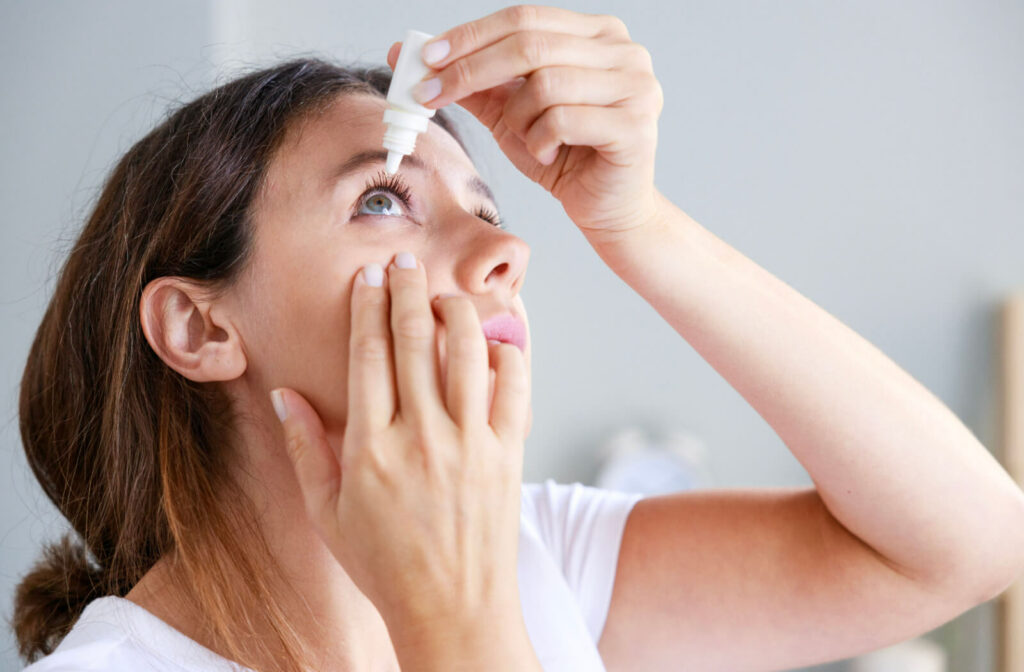
Credit: eyeonevanston.com
Frequently Asked Questions
Can You Overuse Eye Drops For Dry Eyes?
Yes, overusing eye drops can cause dependency and worsen dryness. Limit use to recommended doses. Consult an eye specialist for persistent dry eyes to prevent adverse effects and find appropriate treatment.
How Often Can I Put Dry Eye Drops In My Eyes?
Use dry eye drops as needed, typically 1-4 times daily. Consult your doctor for personalized advice. Overuse might cause irritation. Always follow the instructions on the product label for best results.
How Long Does It Take For Dry Eyes To Improve With Drops?
Dry eyes often improve within a few days of using drops. Consistent use may be necessary for lasting relief. If symptoms persist, consult a healthcare professional for further evaluation and treatment options. Regular application enhances effectiveness, providing comfort and reducing irritation over time.
How Long Should You Wait Between Eye Drops?
Wait at least 5 minutes between applying different eye drops. This ensures proper absorption and effectiveness. Always follow your doctor’s specific instructions for best results.
Conclusion
Finding the right eye drop routine can bring relief. Dry eyes need care. Listen to your eyes; they tell you what they need. Many factors affect how often you use drops. Consider your environment, lifestyle, and eye health. Consult your doctor for personalized advice.
Remember, consistency matters. Regular use helps keep eyes comfortable. Don’t ignore symptoms. Adjust your routine as needed. Stay informed and proactive about eye health. Keep your eyes moist and happy. Simple steps can improve your comfort. Dry eyes deserve attention.
Prioritize your eye health every day. Eyes are precious. Treat them well.
As an Amazon Associate I earn from qualifying purchases.
